Steel vs. Traditional Construction Materials: Which is Best for Your Business?
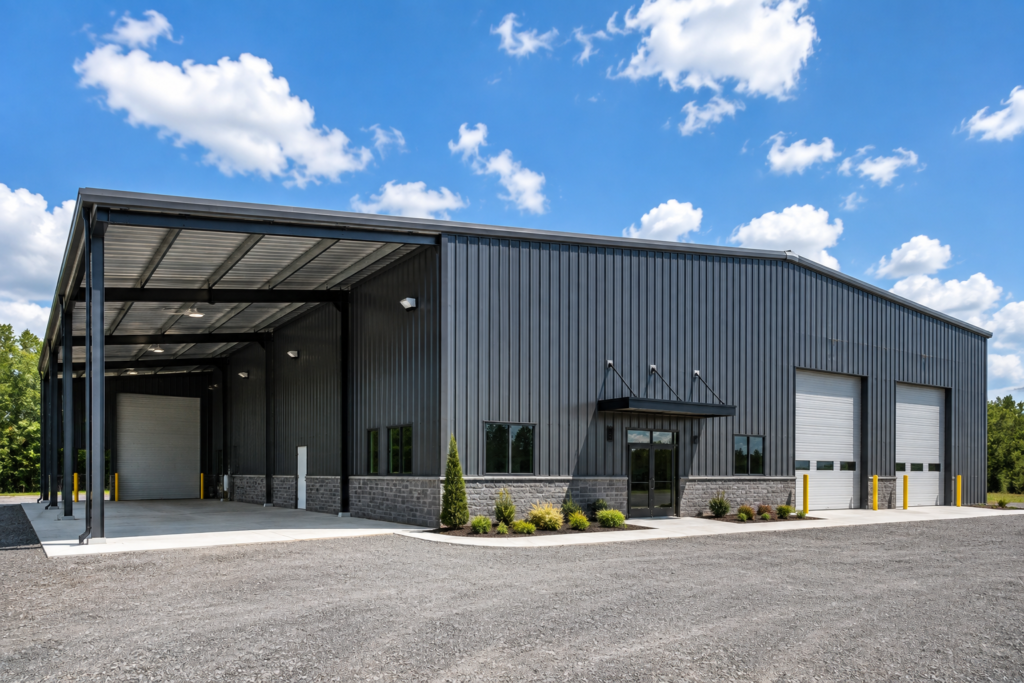
In the world of commercial, industrial, and even residential construction, choosing the right building materials is critical to the long-term success and efficiency of your project. When it comes to durability, versatility, cost-effectiveness, and sustainability, steel buildings are increasingly becoming the go-to choice for business owners. But how does steel measure up against more traditional building materials like wood and concrete?
In this blog, we’ll explore the differences between steel and traditional construction materials, particularly focusing on long-term cost savings, durability, and versatility. With insights from Prime Manufacturing’s years of experience in the steel building industry, this guide will help you determine which material is best suited for your specific needs, whether you’re building a warehouse, a commercial office, or even a manufacturing facility.
What Are Traditional Construction Materials?
Before diving into the comparison, let’s take a closer look at the materials commonly used in traditional construction methods:
- Wood: A widely used building material, especially for residential projects and small commercial buildings.
- Concrete: Known for its strength and durability, concrete is commonly used for foundations, floors, and large commercial buildings.
- Brick and Masonry: Typically used for walls and facades, brick and masonry offer aesthetics but can be costly and labor-intensive to build with.
- Steel: Used in both traditional and modern construction, steel is particularly favored for its durability and strength.
Each of these materials has its benefits and limitations, but steel buildings stand out as a modern solution that addresses many of the challenges faced by traditional construction.
The Strength of Steel
Steel Construction:
When it comes to durability, steel buildings offer unmatched strength. Steel is resistant to many common issues that affect traditional materials, such as rot, termites, and fire. Steel structures are also highly resilient to extreme weather conditions, including strong winds, heavy snow, and earthquakes.
Traditional Materials:
- Wood: While wood is a strong material, it’s susceptible to rot, warping, and pest infestation. Termites and other wood-eating insects can cause significant damage, leading to costly repairs or replacements.
- Concrete: Concrete is durable but can crack over time due to shifting ground, moisture infiltration, or structural stress. Concrete buildings also require regular maintenance to ensure their longevity.
- Brick and Masonry: While brick is sturdy, it can crack or become damaged from moisture or temperature fluctuations. Masonry buildings often require substantial upkeep to maintain their structural integrity.
Steel is the superior choice when it comes to durability. A steel building will outlast wood, concrete, and brick, making it a better long-term investment for your business.
Long-Term Savings with Steel
Steel Construction:
One of the most significant advantages of steel is its cost-effectiveness. Though the initial cost of steel may seem higher than traditional materials, it quickly pays for itself over time due to reduced maintenance costs, fewer repairs, and lower energy bills. Prefabricated steel buildings, in particular, reduce construction time, cutting down on labor and material costs.
Steel buildings also offer better insulation options, leading to savings in heating and cooling costs over the life of the building. Additionally, steel is 100% recyclable, making it an environmentally friendly option that can save money on waste disposal.
Traditional Materials:
- Wood: While wood is relatively inexpensive upfront, it’s prone to damage from pests, moisture, and weather, leading to costly repairs and replacements. The ongoing maintenance costs can quickly add up.
- Concrete: Concrete may offer durability, but it’s expensive to install. It also requires ongoing maintenance to prevent cracks and ensure that the foundation remains stable. Concrete buildings are also more energy-intensive to build, which can drive up costs.
- Brick and Masonry: Brick buildings are often the most expensive option in terms of initial construction costs. Brickwork requires significant labor, making it more costly to install compared to steel buildings. Furthermore, maintenance costs are high due to the need to inspect for cracks, water damage, and repairs.
Steel buildings are more cost-effective in the long run due to their durability, low maintenance requirements, and energy efficiency. While the initial investment may be higher than wood or concrete, steel’s overall lifespan and reduced operating costs make it a superior financial choice.
Steel Builds Faster
Steel Construction:
One of the greatest benefits of choosing steel is the speed of construction. Steel buildings are often prefabricated in a controlled factory setting, which means components are ready to be assembled upon arrival at the construction site. This significantly reduces the time required for on-site construction and eliminates weather delays.
Steel buildings also require fewer workers and less manual labor, resulting in faster project completion. This means you can start using your building sooner and begin generating revenue without the long wait associated with traditional construction methods.
Traditional Materials:
- Wood: While wood construction can be fast, it still requires substantial manual labor, particularly for framing and finishing. Delays due to weather or material shortages can prolong the process.
- Concrete: Concrete construction requires extensive groundwork, including forming, pouring, and curing the foundation. The curing process alone can take weeks, and additional time is needed to complete the structure.
- Brick and Masonry: Brick buildings take even longer to complete due to the labor-intensive nature of bricklaying. The drying and curing process can also extend construction timelines.
Steel construction is the fastest building method, allowing businesses to move into their new space quicker and start operating sooner.
Steel's Customization Potential
Steel Construction:
Steel is highly versatile and can be easily customized to suit the unique needs of your business. Whether you need wide-span buildings for warehouses, specialized structures for factories, or multi-story commercial offices, steel can be tailored to fit any design or function.
Additionally, steel buildings offer easy expansion options. If your business needs to grow, you can simply add to your existing steel structure without the challenges of modifying traditional materials like wood or concrete.
Traditional Materials:
- Wood: While wood can be customized to some extent, it has limitations in terms of load-bearing capacity and design flexibility. Additionally, expanding wood structures can be complicated, often requiring major alterations or rebuilding.
- Concrete: Concrete structures are rigid and difficult to modify. Expanding a concrete building requires significant additional work and may not always be feasible without disrupting existing operations.
- Brick and Masonry: Brick and masonry buildings are even less flexible than concrete. Expanding a brick building often involves costly and labor-intensive work, and structural integrity may be compromised during modifications.
Steel offers superior flexibility and versatility, allowing you to design a building that meets your exact specifications and easily expands as your business grows.
Steel’s Eco-Friendly Benefits
Steel Construction:
Steel is one of the most sustainable building materials available. It’s 100% recyclable and can be reused without losing any of its strength or durability. This reduces waste and supports a circular economy, which is becoming increasingly important in today’s environmentally-conscious world.
Steel production has also become more energy-efficient over the years, and many steel buildings are built with eco-friendly insulation and energy-saving features, further contributing to their sustainability.
Traditional Materials:
- Wood: While wood is renewable, deforestation and unsustainable logging practices can contribute to environmental degradation. Additionally, the carbon footprint of wood production can be higher than that of steel, especially if the wood is not sourced responsibly.
- Concrete: Concrete production is energy-intensive, and the manufacturing process releases a significant amount of CO2. Concrete is not recyclable and contributes to landfill waste at the end of its life.
- Brick and Masonry: Brick production also requires high energy input and emits a considerable amount of CO2. Like concrete, bricks are not easily recyclable and contribute to waste.
Steel is the most sustainable option, offering long-term environmental benefits due to its recyclability and the reduction of waste in construction.
Why Steel Is the Best Choice for Your Business

While traditional materials like wood, concrete, and brick have been used in construction for centuries, steel has proven to be the superior choice for businesses looking for cost-effective, durable, and versatile buildings. From long-term cost savings to unmatched durability and sustainability, steel buildings offer a range of benefits that traditional materials simply cannot match.
At Prime Manufacturing, we specialize in designing and building custom steel buildings tailored to meet the specific needs of your business. Whether you’re constructing a warehouse, an office building, or an industrial facility, our steel buildings offer the strength, flexibility, and efficiency needed to ensure your business thrives. Get in touch with Prime Manufacturing today to learn more about our steel building solutions and how we can help your business grow.
-
How High-Quality Steel Structures Slash Lifetime Building Costs
-
Steel Building Permits and Building Codes
-
How Long Does It Take to Build a Steel Building? From Planning to Completion
-
Steel Barns for Sustainable Farming
-
Steel Building Foundation Requirements: What You Need to Know Before Construction